







 March 9, 2026
A clockmaker’s daughter discovers one unfinished watch can send her a few minutes backward in time, just enough to keep trying to save the father she is fated to lose.
Fantasy · 9 min read
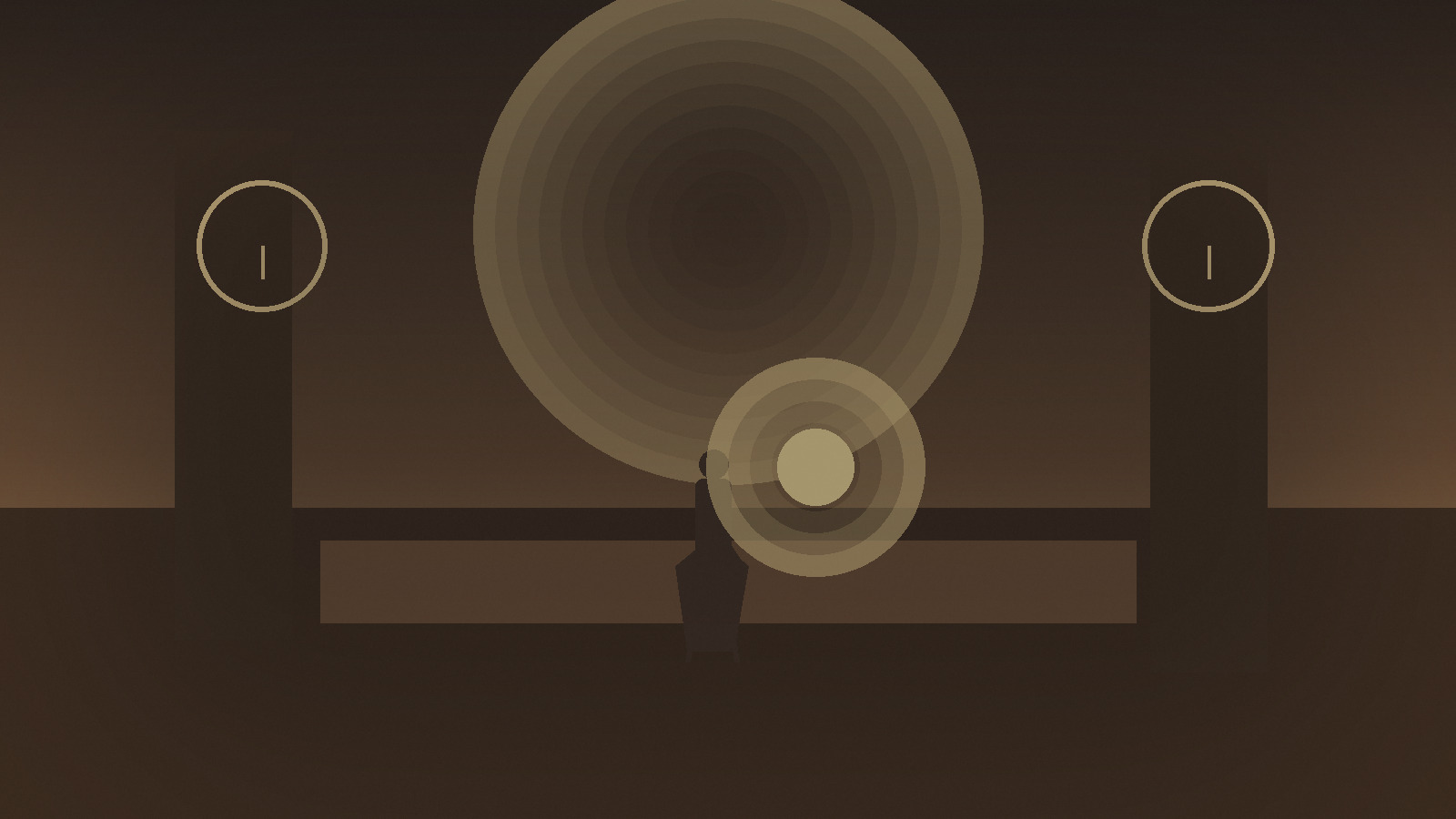
The watch had no numbers.
Just a silver face smooth as moonlight and one narrow hand that refused to move with the others.
Mira Vale had grown up among clocks and trusted none of them equally. Grandfather clocks lied with authority. Mantel clocks hurried when guests arrived. Kitchen clocks slowed during winter and acted innocent about it. But the unfinished pocket watch hidden in the back drawer of her father’s bench was the only one that seemed to keep secrets on purpose.
“Don’t touch that,” her father had said every time she asked.
Naturally, at twenty-four and recently returned to the workshop after a failed engagement and a flourishing distrust of certainty, Mira touched it the first chance she got.
It was colder than silver should be.
The stubborn hand trembled under her thumb.
Then the front bell rang, her father called for help with a customer, and the moment passed like any other.
Until the day he fell.
August heat sat over the workshop like wet wool. Mr. Vale was on the ladder adjusting the regulator on the town-hall clock they’d taken in for repair when he stopped mid-sentence, one hand to his chest.
“Father?” Mira said.
He looked down at her, not frightened exactly but surprised, as if his own body had interrupted him with poor manners.
Then he dropped.
Not from the top. Only three steps up. Enough to strike the bench hard on the way down.
Everything after that happened too quickly and too slowly at once. The crash of brass parts. Mira shouting for the apprentice. Her father on the floor, grey around the mouth, breath gone uneven. The doctor two streets away and impossibly far.
Mira reached for a cloth to press at the blood near his temple and her hand hit the drawer instead.
The unfinished watch slid into her palm.
The stubborn hand jerked.
The workshop lurched backward.
Mira was standing upright again with the cloth still folded on the bench and her father three steps up the ladder saying, “Pass me the—”
He had not fallen yet.
For one perfect stupid second she only stared.
Then understanding arrived like cold water.
“Father, get down.”
He blinked. “What?”
“Get down now.”
Something in her voice overruled habit. He descended, irritated, and the next instant the ladder’s left leg splintered where a hidden crack had opened in the heat.
It crashed harmlessly against the bench.
Mira nearly vomited.
Her father stared at the wreckage, then at her. “How did you know?”
She looked at the watch in her hand.
He went still in a deeper way. “Oh,” he said softly.
That night he told her the truth.
Not all the truth, Mira suspected. But enough to ruin ordinary sleep.
The watch had been made by her grandfather during the winter her mother was dying. Not to stop death—he’d been a clockmaker, not a fool—but to bargain with small regrets. Seven minutes only. Enough to unspill tea before an argument. Enough to catch a child before she ran into the road. Enough, he hoped, to cheat the tiny brutalities that make up a life.
“What happened?” Mira asked.
Her father sat at the bench with the watch open between them, candlelight caught in its unfinished gears. “He used it after your mother’s first collapse,” he said. “Then again after the second. Then again when the medicine was left at the apothecary. Each time he got seven minutes. Each time he thought seven more might become seven enough.”
Mira felt the sentence settle like a blade.
“And did it?”
“No.”
She looked at him. “Then why keep it?”
His smile was tired and older than the room. “Because every family preserves one bad idea as if it were heirloom silver.”
For three weeks after that, Mira obeyed him.
She kept the watch in the drawer. She fetched the doctor whenever her father’s breath turned wrong. She measured powders, argued him into resting, and pretended the workshop had not become a room arranged around loss.
The doctor called it the heart, which was to say he named the failing instrument without teaching anyone how to forgive it.
Mr. Vale grew weaker by degrees. Not dramatically. That would have been easier. He still sharpened tools, still corrected Mira’s escapement work, still muttered that apprentices were underproofed dough with thumbs. But he moved as if every task now required a quiet negotiation with pain.
Mira began counting in sevens.
Seven minutes to boil water.
Seven minutes before the church bells.
Seven minutes between her father going pale and admitting he should sit.
By the time autumn rain came, she had already decided what she would do when the worst arrived.
She told herself it was only prudence. A daughter preparing. Nothing so ugly as defiance.
Then the worst arrived on a Thursday.
Her father collapsed in the doorway between workshop and kitchen with a plate still in one hand. The plate shattered. Mira knelt beside him. His eyes found hers with terrible clarity.
“No,” he said at once, because he saw the watch already in her grip.
“I can save you.”
“You can delay me.”
“That’s not the same thing.”
“It becomes the same thing if you keep trying.”
Tears blurred her sight. “I’m not ready.”
His smile, even then, had too much kindness in it. “That has never stopped time once.”
His breath hitched.
Mira pressed the crown.
The world folded backward.
Plate whole. Rain not yet against the panes. Her father stepping through the doorway, alive and upright.
She caught him before he fell, got him to the chair, forced medicine between his teeth, sent the apprentice for the doctor before explanation could interfere.
For eleven minutes it looked as if she had won.
Then his heart failed anyway, slower and crueler.
She turned the watch again.
Seven minutes.
This time she changed the chair, the dose, the timing.
Again the world obeyed.
Again it failed her.
On the fourth attempt, the workshop clocks began striking nonsense hours.
On the sixth, the candle flames bent backward.
On the eighth, Mira heard her own voice a room away still begging from the previous version of the evening.
Time, it seemed, tolerated minor corrections but resented obsession.
By the tenth turning, Mr. Vale was conscious long enough to grasp her wrist.
“Mira.”
She was already crying openly now, beyond dignity. “Please.”
The workshop around them had gone strange. Clock hands shivered. The regulator on the wall spun and stopped and spun again. Rain tapped the panes in stuttering loops. Somewhere the town-hall clock struck thirteen, then two, then none at all.
Her father looked at the watch, then at her face.
“You think love is refusing the hour,” he said.
“What else is it?”
“Sometimes,” he whispered, “it is letting the hour mean what it means.”
Mira shook her head because she hated wisdom most when it arrived useful.
He lifted his hand with visible effort and pressed it over hers on the watch. “Listen carefully. This is not for saving the dying. It’s for saving the living from becoming ghosts around them.”
She wanted to argue. To rage. To turn the crown until the workshop dissolved and some kinder universe answered on the other side.
Instead the watch, perhaps exhausted by them both, gave a sharp crack across the silver face.
The stubborn hand spun once and stopped at seven.
No more turns left.
Mira understood that with the clarity of disaster.
One final chance.
Not to save him.
To choose how not to lose herself.
She set the watch down.
Then she sat on the floor beside her father’s chair and took his hand in both of hers and stayed in the unedited hour while the doctor ran too late through the rain and every clock in the workshop kept its proper grief.
Mr. Vale died just before sunset.
Afterward the town behaved as towns do—bread, condolences, practical nonsense about shutters and invoices. Mira moved through it like someone wearing a life slightly too large. The workshop felt impossibly full of him. His spectacles on the shelf. His pencil marks on bench wood. Half a pear in the kitchen he had meant to finish.
She nearly picked up the broken watch a dozen times in the days that followed.
Instead she buried it in the garden beneath the apricot tree where her mother used to hang sheets in June.
Winter came. Work remained.
Clocks still needed cleaning. The town-hall mechanism still sulked. Apprentices still required instruction at a volume just shy of threat. Mira kept the shop because keeping it was easier than deciding not to. Then, slowly, because she wanted to.
By spring she had learned her father’s silence in the benches and her own voice in the business. Customers began asking for her by name instead of by relation. She repaired a bishop’s travel clock so precisely he called it providence, which she considered bad theology but excellent advertising.
On the anniversary of her father’s death, Mira opened the back drawer by habit and found it empty without surprise.
The grief remained.
So did the love.
What had gone was only the temptation to confuse control with devotion.
That evening she locked the workshop and walked into town beneath a sky the color of old silver. The clock above the square struck seven with flawless confidence.
Mira smiled at it.
There were still hours ahead she did not know how to fill. That was no longer an insult.
It was, at last, a life.
## Checklist
– **Featured image needed:** Yes
– **Related links needed:** Yes — link from/to Fantasy; Editor Picks; Emotional Reads
– **Collection membership to set:** Fantasy; Editor Picks; Emotional Reads











 Prev Post